
Do You Need a Nursing License Defense Attorney?
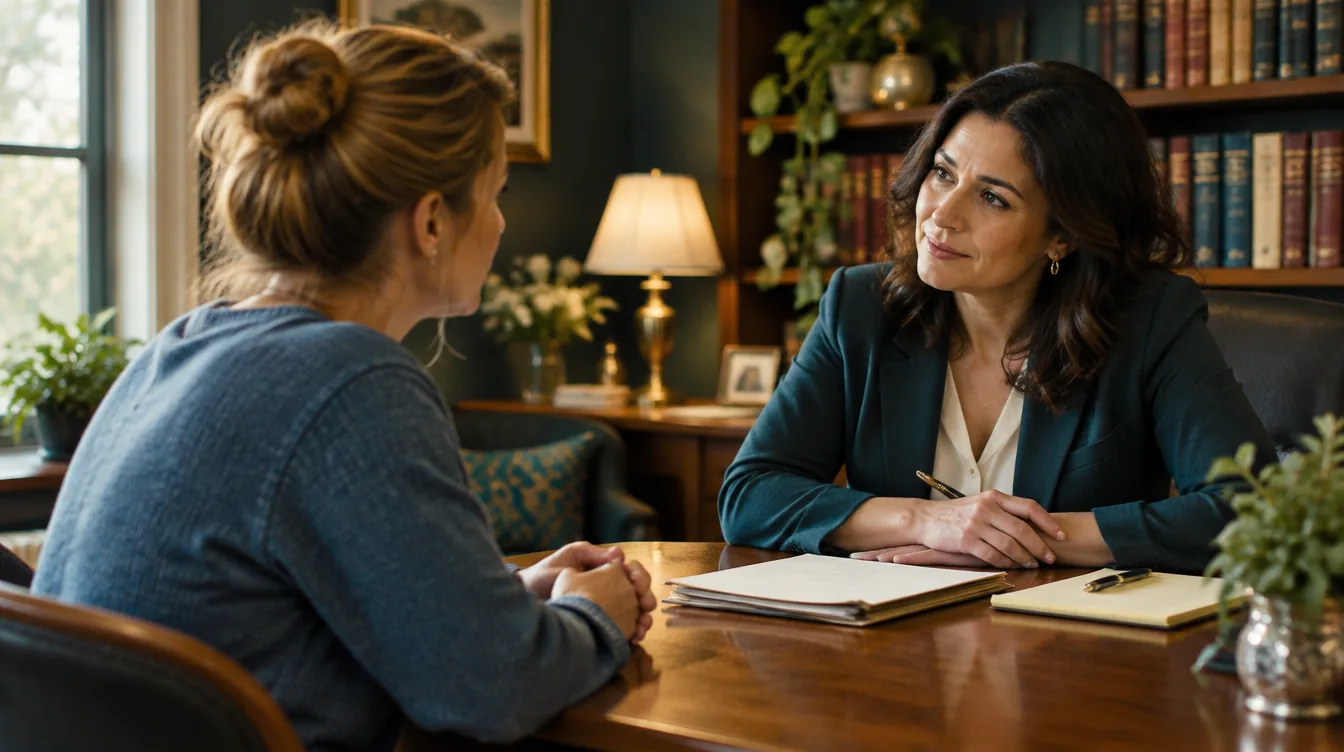
When the board of nursing contacts you, one of the first questions is whether you really need a lawyer. Many nurses hope that explaining themselves honestly will be enough. Sometimes it is. Often, it isn't, and you only get one chance at a first impression with your board.
What a license defense attorney actually does
A nursing license defense attorney focuses on administrative cases before professional boards. That's different from criminal or malpractice law. A good one will:
- Explain the process and realistic outcomes in your state.
- Review the allegations and evidence and spot weaknesses.
- Prepare or polish your written response so it's accurate without hurting you.
- Prepare you for, and often attend, interviews or hearings.
- Negotiate with the board, which can mean a dismissal, a lighter outcome, or terms you can actually live with.
- Explain how an outcome could affect other licenses you hold, including multistate privileges under the Nurse Licensure Compact.
When it's especially important to get help
- The allegation involves patient harm, drug diversion, substance use, impairment, documentation falsification, or boundary issues.
- There's a related criminal charge or police involvement.
- You've been asked for an interview, a drug screen or an evaluation.
- The board has offered a consent agreement or proposed order.
- You hold licenses in more than one state.
Even for minor complaints, a short consultation before you respond is usually worth it.
What it costs
Fees vary widely by state and case. Some attorneys charge a flat fee for a written response, others bill hourly for full representation. Many offer free first consultations. Before you assume you can't afford it, check whether your professional liability (malpractice) policy includes license protection coverage. Many do, and nurses often forget they have it. Notify your carrier as soon as the board contacts you: many policies won't cover attorney fees you paid before they were told.
How to choose the right attorney
- Look for board experience in your state. Ask how many nursing board cases they handle each year.
- Ask about outcomes, not promises. No ethical attorney can guarantee a result, but they can describe what typically happens in cases like yours.
- Understand the fee. Get it in writing: what's included, what's extra, and what happens if your case goes to a hearing.
- Notice how they treat you. You should feel respected, not judged. You'll be sharing some of the hardest moments of your career.
If you can't afford full representation
Ask about limited-scope services, where an attorney reviews your response or coaches you for an interview without handling the whole case. Some state nursing associations also keep referral lists.
Whatever you decide, don't go through it alone
An attorney handles the legal side. The emotional side matters too. The free UnShamed community is a private place to connect with nurses who have been through investigations and probation, and you can stay as anonymous as you like.
You're not the only one
Join the free UnShamed community: a private, judgment-free place for nurses navigating board action. Stay as anonymous as you need to.
Join the free community